If you want a second home that feels like a true getaway, Carmel Valley stands out fast. Instead of a dense coastal scene or a typical suburban setting, you get a warmer inland backdrop, a relaxed wine-country atmosphere, and easy access to some of Monterey County’s best recreation. For buyers who want privacy, lifestyle, and a place that works well for weekends, holidays, and hosting, Carmel Valley checks a lot of boxes. Let’s dive in.
Carmel Valley feels like an escape
One of the biggest reasons second-home buyers look at Carmel Valley is simple: it feels different from a full-time commuter market. Monterey County tourism describes the area as warmer than the coast, with a rustic and laid-back character tied to wine country and scenic landscapes.
That atmosphere is reinforced by local planning. The Carmel Valley Master Plan calls for a concentrated village core with rural surroundings, and it emphasizes development that respects the privacy and rural residential character of nearby properties. For you as a buyer, that helps explain why the area often feels more like a retreat than an everyday service hub.
The village plan supports privacy
Carmel Valley’s appeal is not just about scenery. It is also about how the area is organized. The village framework aims to keep commercial activity concentrated while preserving a more rural feel around it.
That matters if you are shopping for a second home because many buyers want convenience without sacrificing quiet surroundings. In Carmel Valley, that balance is part of the planning vision, which helps support the privacy-conscious character many second-home buyers value.
Wine country adds everyday enjoyment
Carmel Valley sits within a larger Monterey County destination known for wine, food, and scenic drives. Monterey County highlights more than 125 unique vineyards across 9 AVAs, which gives the region a strong wine-country identity.
For a second-home owner, that can shape how you use the property. A home here can become your base for tasting rooms, long weekends, and low-key entertaining, all within a setting that leans more relaxed than hurried.
Resorts strengthen the lifestyle draw
The hospitality mix in and around Carmel Valley helps buyers picture what ownership can feel like. Carmel Valley Ranch is presented as a place with all-suite accommodations, a spa, a Pete Dye-designed golf course, hiking and biking trails, tennis, pickleball, pools, and family-oriented programming.
Bernardus Lodge & Spa emphasizes suites and villas, spa and wellness offerings, wine-country experiences, and a slower-paced getaway setting among rolling hills and vineyards. The Quail adds a golf course setting, spa services, lodging, event facilities, and a historic California Ranch design.
These examples matter because they show the kind of lifestyle Carmel Valley is known for. If you are looking for a second home that supports rest, recreation, and hosting guests, the area’s resort environment helps make that vision feel practical and lived-in.
Estate settings make hosting easy
Carmel Valley also has a strong estate-style dimension. Holman Ranch is described as a private estate used for weddings, family gatherings, corporate retreats, and team-building, with overnight rooms, vineyards, olive groves, horse stables, and a restored stone hacienda.
Double H Ranch at Stonepine Estate highlights an equestrian setting, horseback riding, hiking, biking, a classic cottage, and a full-sized house. While these are hospitality examples, they help illustrate the kind of private, spacious environment that attracts many second-home buyers.
If you are hoping for a property that can support holiday stays, extended family visits, or a quieter weekend routine, Carmel Valley’s estate character is a big part of the draw.
Outdoor recreation expands your options
A second home often works best when the surrounding area gives you plenty to do without requiring much planning. Carmel Valley delivers on that front. Garland Ranch Regional Park is a major local recreation anchor with 4,462 acres, trails ranging from easy to strenuous, the Carmel River, Garzas Creek, a redwood canyon, a waterfall, horseback riding, birding, and mountain biking on the Cooper Ranch Loop.
Nearby destinations add even more range. Point Lobos State Natural Reserve offers hiking, photography, nature study, picnicking, and scuba diving, while Garrapata State Park adds coastal hiking, beach access, and redwood-grove terrain.
At the county level, Monterey County also highlights 19 state parks, 25 golf courses, 99 miles of shoreline, and activities such as hiking, biking, birding, whale watching, kayaking, and horseback riding. That gives you an unusual mix of inland and coastal recreation from one home base.
Golf, shoreline, and parks broaden the appeal
Not every second-home buyer wants the exact same lifestyle. Some want golf. Some want hiking. Some want weekends that mix wine tasting with time by the water.
Carmel Valley works well because it connects to a wider Monterey County lifestyle package rather than just one niche. With golf courses, parks, and shoreline access across the county, you are not buying into a single activity. You are buying into variety.
The architecture fits the setting
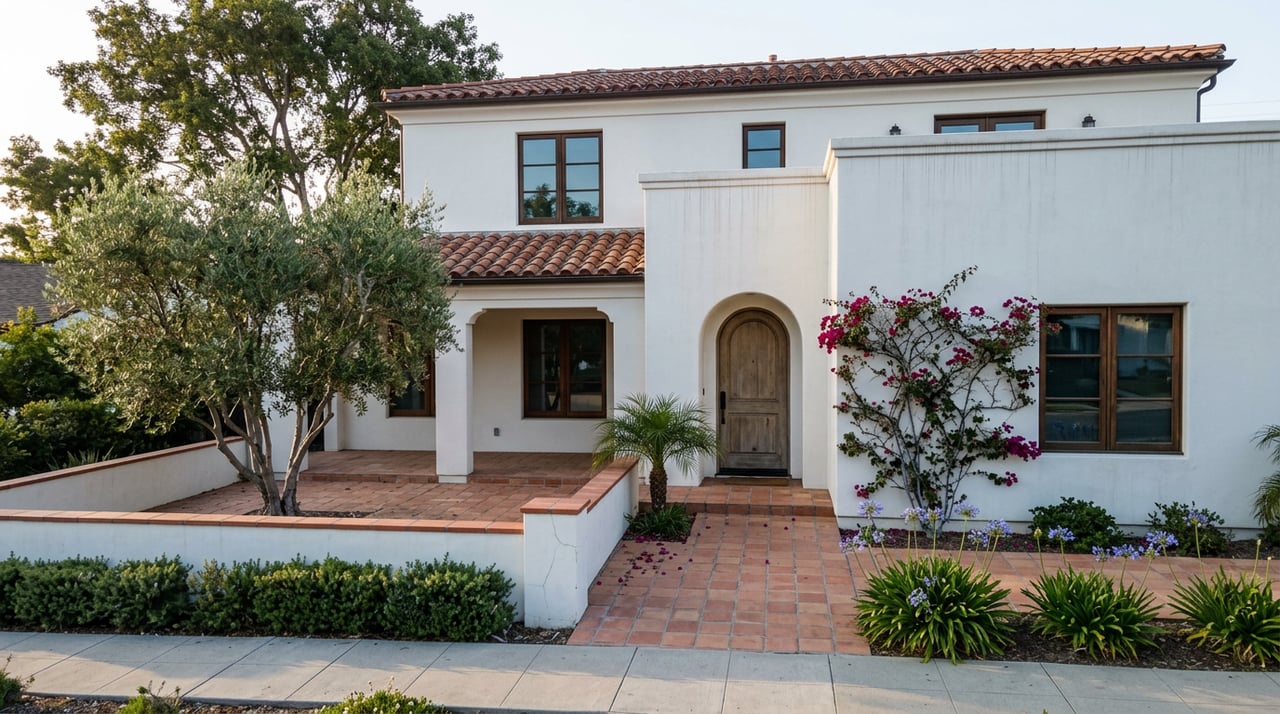
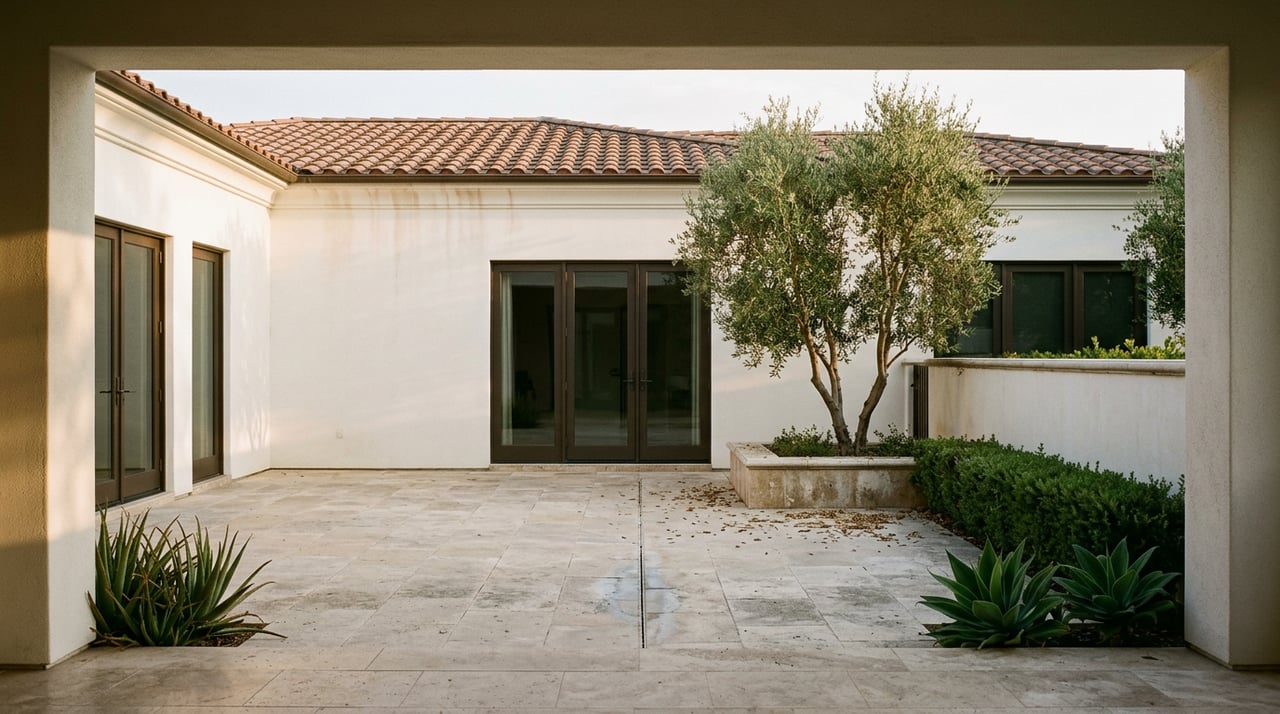
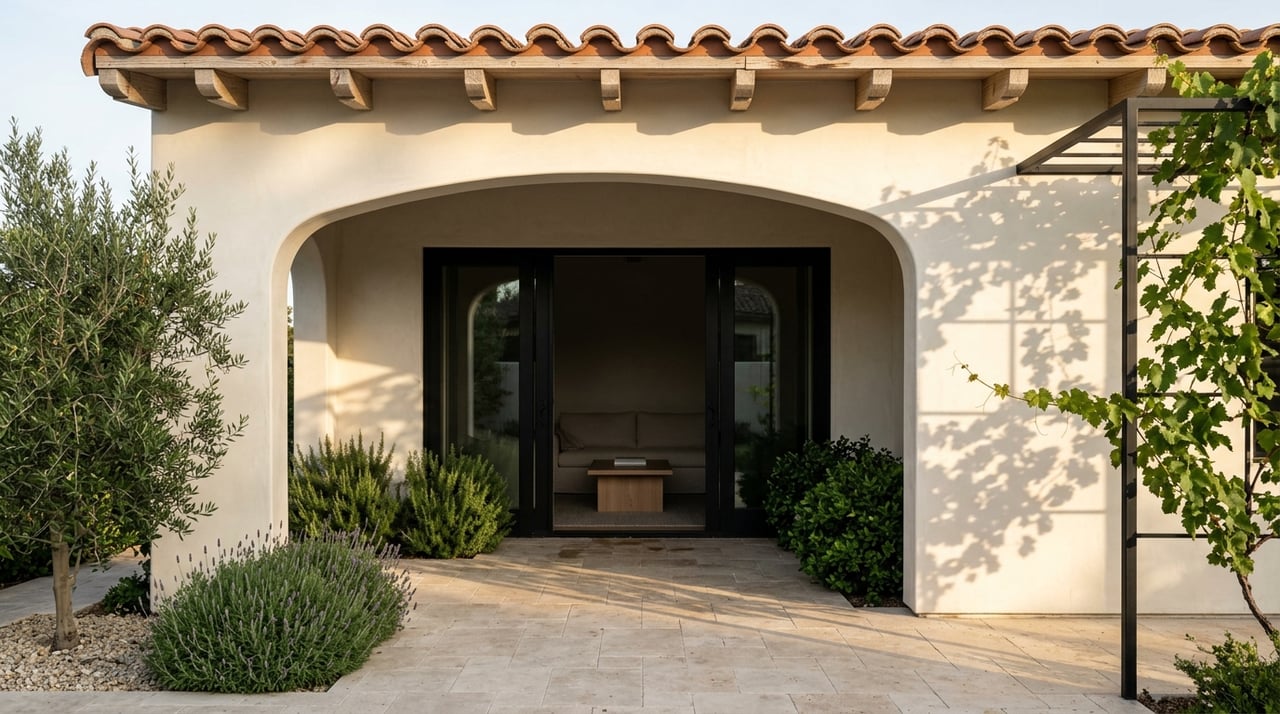
Another reason Carmel Valley resonates with second-home buyers is the visual consistency of the area. The village design guidance encourages a rural or rustic architectural theme with natural materials and earth-tone colors, and the master plan says new village development should preserve the rural residential character.
You can see that aesthetic reflected in well-known local examples. The Quail uses a historic California Ranch design, Holman Ranch includes a restored stone hacienda, and Double H Ranch references classic cottages and houses in an equestrian setting.
Taken together, those examples support a housing image that leans toward ranch, cottage, hacienda, and estate influences. If you are drawn to homes that feel grounded in the landscape rather than overly dense or uniform, Carmel Valley offers a strong match.
Ownership costs deserve early review
Lifestyle is important, but second-home buyers should also look closely at ownership costs. In California, property taxes are generally based on reassessment at market value when ownership changes or when new construction is completed. Proposition 13 generally limits annual increases in assessed value to 2 percent after that base-year value is set.
Monterey County also notes that supplemental assessments and tax bills can follow a purchase or other change in ownership. If you are budgeting for a second home, it helps to review not just the purchase price but also how post-closing tax bills may affect your carrying costs.
Tax treatment can vary by use
If you plan to keep the property strictly for personal use, your tax picture may look different than it would for a home you also rent out. IRS Publication 936 states that mortgage interest can be deductible on a main home or second home if you itemize and the loan meets qualified-home rules.
That said, the tax treatment can change if the second home is rented. Because use matters, it is wise to think through your ownership strategy early, especially if you are weighing a pure retreat against a part-time income property.
Wildfire readiness is part of ownership
In rural and hillside parts of California, practical ownership includes thinking about wildfire preparedness. CAL FIRE’s Fire Hazard Severity Zone program classifies areas as moderate, high, or very high.
The California Board of Forestry says owners in State Responsibility Areas or in local very high fire hazard severity zones are responsible for defensible space requirements. For a Carmel Valley second-home buyer, that means due diligence should include understanding the property’s setting, vegetation, and ongoing maintenance expectations.
Why Carmel Valley stands out
Carmel Valley appeals to second-home buyers because it brings together several things that are hard to find in one place. You get a warmer inland setting, a village plan that supports privacy and rural character, access to wine-country experiences, and a broader Monterey County backdrop filled with golf, parks, and shoreline.
Just as important, the area offers a strong sense of retreat. If your goal is to own a place that supports rest, recreation, and meaningful time with family and guests, Carmel Valley has the ingredients many buyers are looking for.
When you are ready to explore lifestyle properties with a clear strategy and practical guidance, connect with Christopher Burgos to schedule a consultation.
FAQs
Why does Carmel Valley appeal to second-home buyers?
- Carmel Valley appeals to many second-home buyers because it combines a warmer inland climate, a rustic wine-country atmosphere, privacy-conscious planning, and access to Monterey County recreation like parks, golf, and shoreline.
What is the lifestyle like in Carmel Valley, California?
- Carmel Valley is known for a laid-back, wine-country setting with tasting rooms, resort amenities, golf, hiking, biking, and easy access to both inland and coastal outdoor activities.
What types of homes fit the Carmel Valley character?
- Local planning and hospitality examples support a character that leans toward ranch, cottage, hacienda, and estate-style influences, with an emphasis on natural materials, earth tones, and a rural residential feel.
What should buyers know about property taxes in Carmel Valley?
- In California, a property is generally reassessed at market value when ownership changes, Proposition 13 generally limits annual assessed value increases to 2 percent afterward, and Monterey County notes that supplemental tax bills may follow a purchase.
What ownership issue should second-home buyers consider in Carmel Valley hillsides?
- Buyers should review wildfire preparedness, including whether a property falls within mapped fire hazard zones and what defensible space responsibilities may apply to the owner.