If you price a La Jolla home like it sits in one big, uniform market, you can lose valuable time and momentum. Sellers here are often dealing with a very specific question: how do you position a home so it feels compelling online, shows well in person, and lands at the right number from day one? In this guide, you’ll see why pricing in La Jolla has to be hyper-local, which presentation choices matter most, and how to respond if early market feedback is soft. Let’s dive in.
La Jolla pricing starts block by block
La Jolla is a 5,718-acre coastal community shaped by ocean bluffs, beaches, canyons, hillsides, and Mount Soledad, according to the City of San Diego. It is also about 99% built out, which means most value differences come from the exact property, lot, view, and street location rather than waves of new inventory.
That matters because two homes with similar square footage can perform very differently depending on where they sit. A home in The Village, Bird Rock, La Jolla Shores, La Jolla Alta, or Muirlands may attract a different buyer pool, move at a different pace, and support a different pricing strategy.
Why countywide comps can miss the mark
San Diego County overall had a median sale price of $927,409 and 23 days on market in April 2026. La Jolla overall was much higher at a $2.4 million median sale price with 38 days on market, which already shows why countywide numbers can be too broad for a coastal luxury listing.
The spread inside La Jolla is even more important. Recent data show Bird Rock at $2.825 million and 58 days on market, La Jolla Shores at $1.8 million and 20 days, La Jolla Alta at $2.835 million and 75 days, and Muirlands at $3.975 million and 89 days. In other words, La Jolla is not one comp set.
How to build a better La Jolla comp set
The strongest starting point is your micro-neighborhood. From there, you want to narrow further by factors like view corridor, lot orientation, street elevation, and property type.
That extra filtering matters in a built-out market where property-level differences drive results. A home with a strong ocean-view angle, a quieter position, or a more modern remodel may not line up well with a nearby home that looks similar on paper.
For most sellers, the best comp set includes recent solds and pendings from the same pocket. That is especially true when your home has a rare view, an unusual lot shape, or design features that make it stand out from the surrounding inventory.
Price per square foot is only part of the story
It is tempting to focus on price per square foot because it feels simple and objective. In La Jolla, though, it should be only one piece of the pricing conversation.
You also need to watch days on market, sale-to-list ratio, and the rate of price drops. La Jolla overall has been averaging 97.8% of list price, with 24.2% of homes seeing price drops, and Redfin reports the average home goes pending in about 34 days while hot homes can go around list in about 12 days.
That tells you something important. If the price is slightly off, the market often shows it quickly through slower traffic, longer market time, or a later price adjustment.
Why one La Jolla home sells fast
A quick sale usually happens when pricing and presentation work together. The home enters the market with a strong visual package, reaches buyers where they are searching, and is positioned against the right local alternatives.
Submarket behavior supports that approach. Bird Rock has recently been moving at 98.0% of list, while La Jolla Shores has been closer to 98.7%. Muirlands and La Jolla Alta have both been below 97% in current snapshots, which suggests some pockets may be less forgiving when a listing overshoots the market.
Why another home needs price changes
Repeated price reductions often start with an early mismatch between seller expectations and buyer response. In a price-sensitive environment, buyers tend to compare carefully, especially when mortgage rates remain elevated enough to keep monthly payments in focus.
Freddie Mac reported the 30-year fixed mortgage rate at 6.48% for the week ending June 4, 2026, while California Association of Realtors forecast moderate statewide growth rather than a breakout surge. For you as a seller, that means buyers may still pay for the right home, but they are less likely to ignore overpricing.
Presentation is now digital first
Most buyers begin online, and that changes how your home should be prepared for launch. NAR reported that 43% of buyers started by searching the internet, 51% found their home through online search, and 69% used mobile or tablet devices.
The visual side matters even more in the luxury segment. NAR's 2025 reporting found that 81% of buyers said listing photos were the most useful feature in the online search process.
That means your first showing often happens on a phone screen before a buyer ever books a tour. If the listing does not look polished and complete online, many buyers may never take the next step.
Which visual assets matter most
For a La Jolla listing, a strong launch package should center on clear, professional visuals and detailed property information. NAR guidance supports using professional photography, video, virtual tours, floor plans, and digital walkthroughs where appropriate.
Dusk photography and drone imagery can also help communicate setting, scale, and the relationship between the home and its surroundings. In a coastal market, those details can be especially useful when buyers are trying to understand elevation, views, lot placement, and indoor-outdoor living.
What to highlight in a La Jolla home
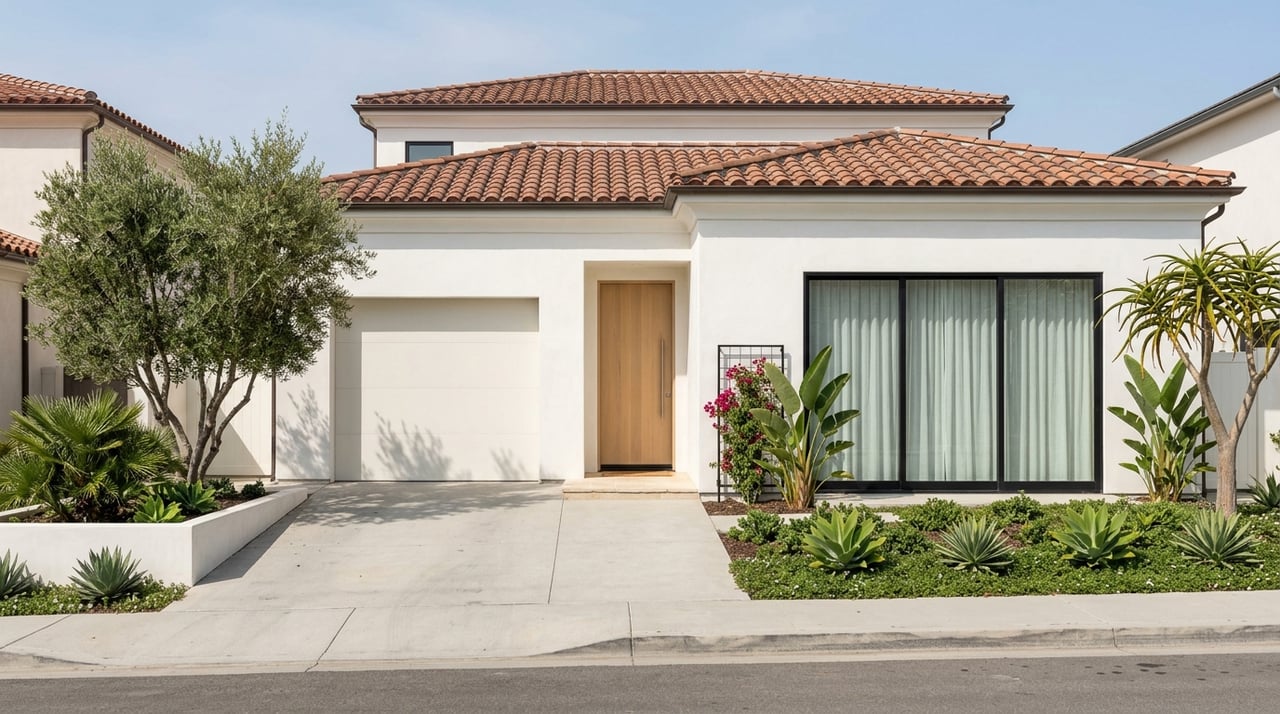
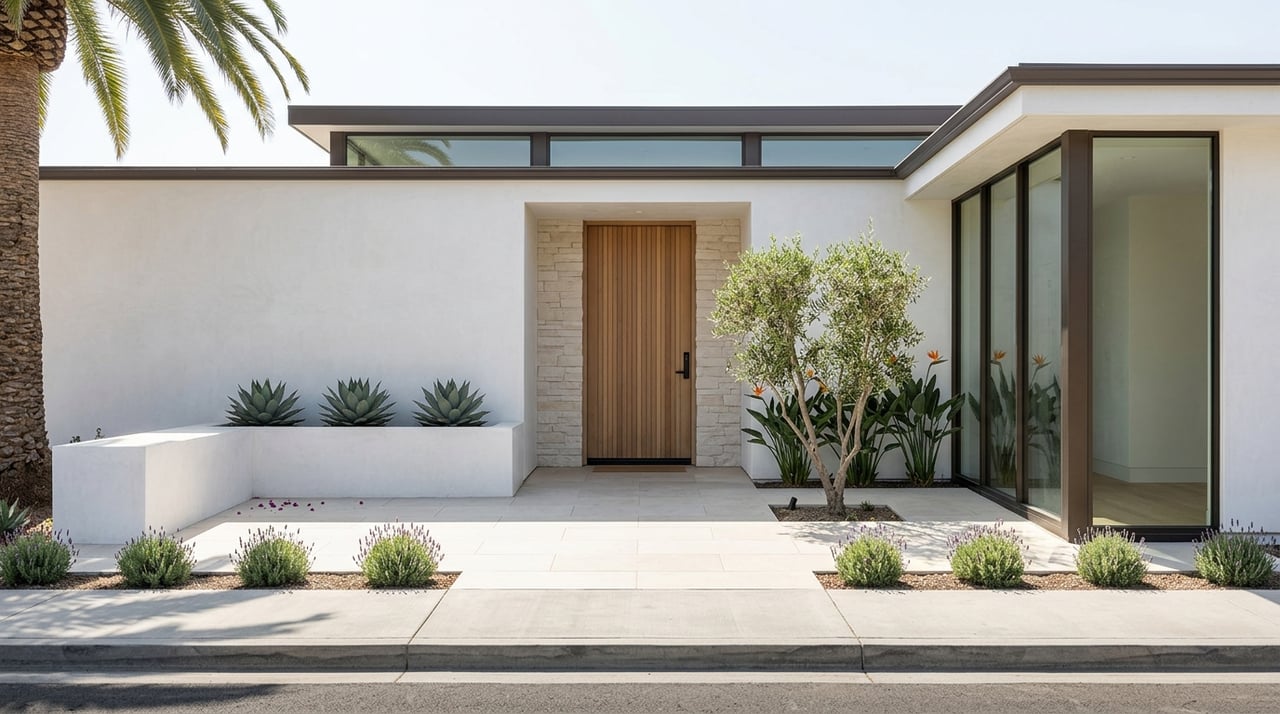
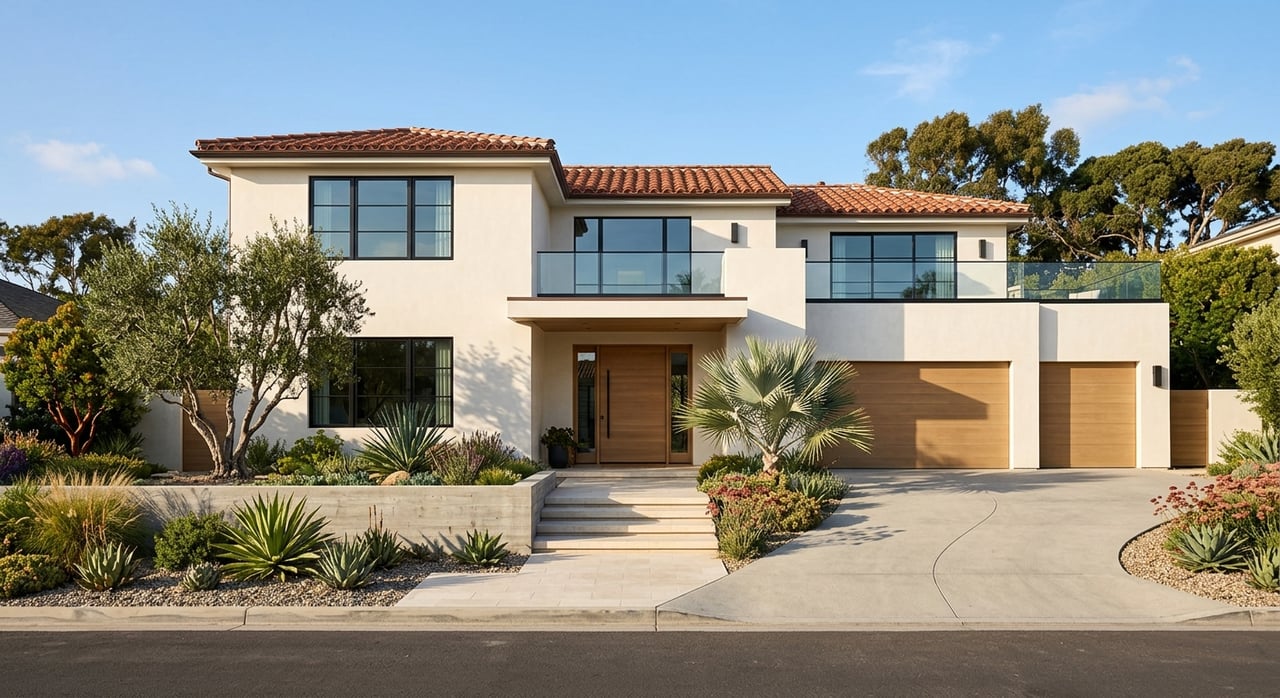
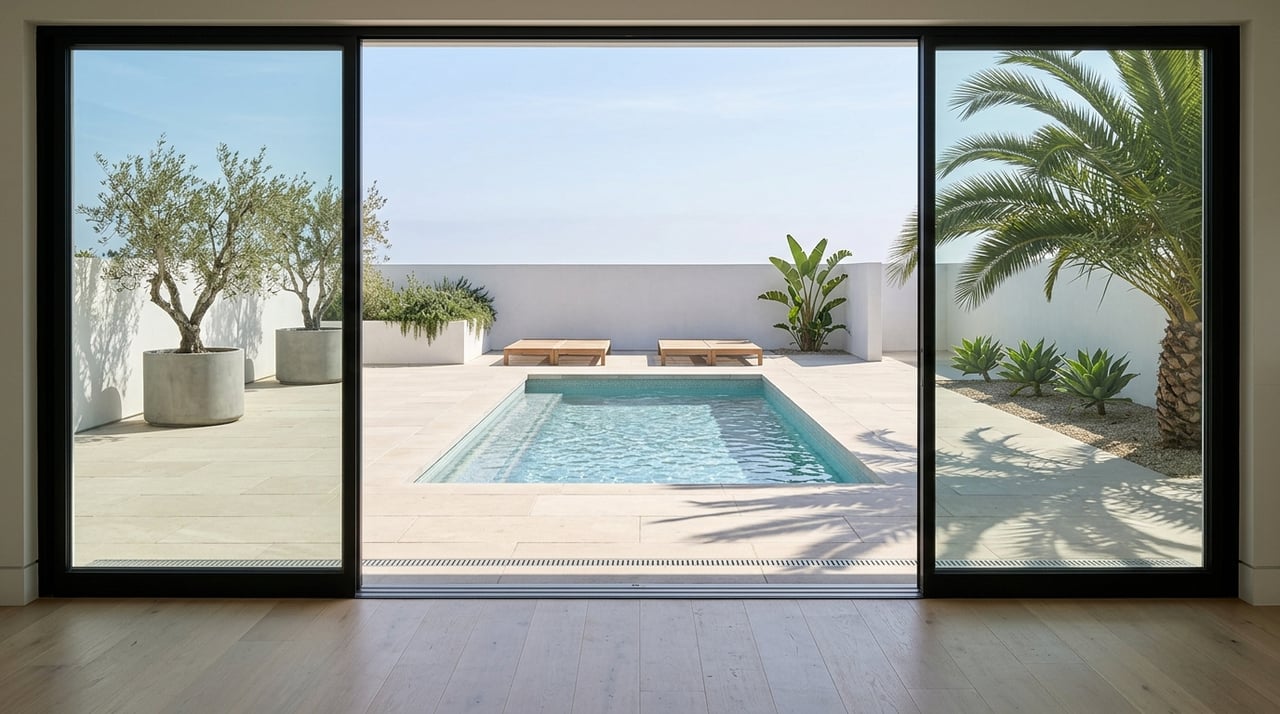
In this market, presentation should do more than show finishes. It should help buyers feel the home's connection to the coast, the architecture, and the lifestyle of the space itself.
That often means foregrounding ocean-view experience, natural light, indoor-outdoor flow, and architectural lines. A listing should make it easy for buyers to understand how the home lives, not just what it contains.
Staging that supports the sale
Staging is not only about making a home look attractive. It can help buyers visualize scale, function, and flow, which is especially important in digital marketing.
NAR's 2025 staging report found that 29% of agents said staging increased the dollar value offered by 1% to 10%, and 49% said it reduced time on market. The rooms staged most often were the living room, primary bedroom, dining room, and kitchen, while common seller recommendations included decluttering, cleaning, and curb appeal improvements.
The reported median cost for a staging service was $1,500. That does not mean every listing needs the same level of staging, but it does show that thoughtful preparation can have measurable value.
Simple presentation upgrades that matter
Before your home goes live, focus on the details buyers notice first in photos and tours:
- Declutter visible surfaces
- Deep clean interior spaces
- Refresh curb appeal
- Improve lighting where rooms feel dim
- Define key living spaces clearly
- Remove distractions that compete with views or architecture
These steps are often more effective than trying to do too much. In a premium market, a clean, edited presentation usually feels more confident than an overfilled one.
Timing your launch in today's market
If you plan to sell in the next 3 to 12 months, early preparation gives you more control. You have time to study the right comp set, decide how to present the home visually, and make updates that support value.
That also helps you respond faster once the home hits the market. With La Jolla homes averaging about 34 days to pending, the first two to three weeks can tell you a lot about whether buyers see the listing as well-positioned.
What to watch after listing
Once your home launches, feedback matters. The earliest signs usually show up in three places:
- Showing activity
- Online engagement and photo interest
- The gap between your listing and competing homes in the same pocket
If those signals are weak in the first two to three weeks, it may be time to adjust. In La Jolla, waiting too long to respond can stretch market time and make the next price move feel reactive rather than strategic.
The goal is not just exposure
Premium exposure matters, but exposure alone is not the goal. The real objective is to create the right match between pricing, presentation, and buyer expectations in your exact part of La Jolla.
That is why successful sellers usually take a local, disciplined approach. They use the right pocket for comps, invest in a digital-first launch, and stay flexible enough to respond to actual market feedback.
If you are thinking about selling in La Jolla, the right strategy starts with understanding how your home fits its exact micro-market. For tailored guidance on pricing, positioning, and high-impact presentation, connect with Christopher Burgos to schedule a consultation.
FAQs
How should you price a home in La Jolla compared with San Diego County?
- You should start with recent solds and pendings from your exact La Jolla micro-neighborhood rather than rely on countywide comps, because La Jolla's price points and market pace vary widely by pocket.
What makes La Jolla home comps different from other neighborhoods?
- La Jolla is highly built out, so value often depends on precise property differences such as view corridor, street elevation, lot orientation, remodel quality, and property type.
Which marketing assets matter most when selling a La Jolla luxury home?
- Professional listing photos, video, floor plans, virtual tours, and strong first-image presentation matter most because many buyers begin their search online and rely heavily on visuals.
Can staging help a La Jolla home sell faster?
- Yes. NAR reported that 49% of agents said staging reduced time on market, and staging can also help buyers better understand layout, scale, and indoor-outdoor flow.
What should you do if your La Jolla listing is not getting traction?
- You should review early showing activity, online engagement, and competing listings in your exact pocket, then be prepared to adjust pricing or presentation quickly if the first two to three weeks are weak.