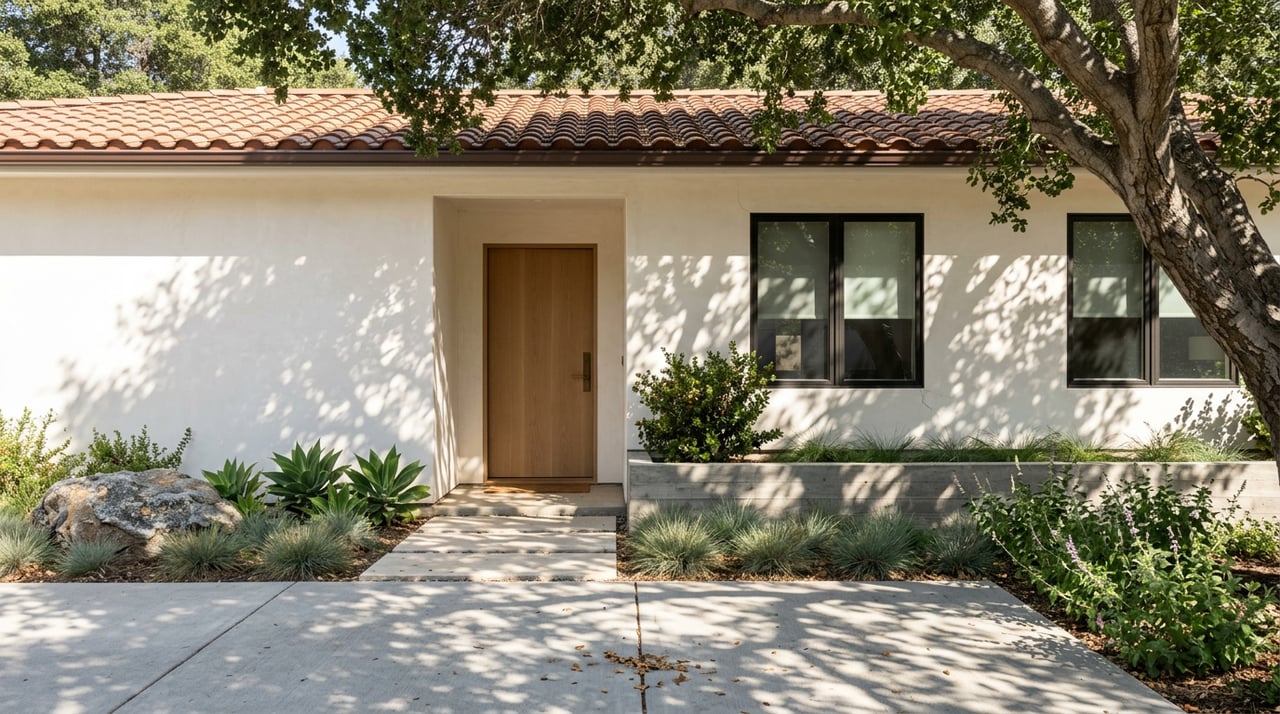
Picture yourself stepping onto the sand in the morning, then watching the sunset from your deck at night. A Del Mar vacation home gives you that lifestyle, and it can also be a smart long-term hold if you understand the rules and the numbers. In this guide, you will learn how the Del Mar market works, what the short-term rental rules allow, the real carrying costs to model, and the due diligence steps that protect your capital. Let’s dive in.
Del Mar market snapshot
Del Mar is a small, premium coastal market with a boutique supply of vacation-style homes. Typical home values sit in the multi‑million dollar range. For context, Zillow’s Home Value Index for Del Mar was about $3.49 million as of January 31, 2026. Because the city is small and luxury sales dominate, monthly medians can swing a lot. Treat averages with caution, and underwrite property by property.
Inventory is tight and sales counts are low, which leads to competition for standout homes near the beach or village. That scarcity supports values, but it also means you should plan for careful offer strategy and contingency timelines that allow for specialized inspections and insurance quotes.
Why Del Mar draws vacation buyers
People buy here for walkable beaches, coastal dining and retail, and easy access to greater San Diego. Seasonal events add to the appeal. The Del Mar Thoroughbred Club’s racing calendar brings peak visitation and premium nightly rates in the summer and select weeks. You can review dates on the Del Mar Thoroughbred Club calendar.
These events create very clear booking windows. If a short-term rental is permitted for your address, you will likely see the strongest pricing during summer, holiday weekends, and race weeks. Plan your underwriting around those peaks and softer shoulder seasons.
Short-term rental rules you must know
Del Mar adopted a Short‑Term Rental (STR) Regulations Ordinance on September 23, 2024. The ordinance defines STRs as rentals of 30 consecutive days or less, creates a permit pathway, and caps new permits. It is subject to California Coastal Commission certification before it becomes fully effective. You can review the City’s overview on the Del Mar Short‑Term Rentals page and the full text in the final signed STR ordinance.
Voters also approved a measure that applies the City’s 13% Transient Occupancy Tax to STR stays. Some booking platforms may collect and remit, but owners are responsible for compliance. Read the City’s summary of Measure M on the Del Mar news page.
Where STRs are allowed
Historically, STR use was limited to commercial and visitor‑serving zones. The new ordinance codifies where STRs may be permitted, sets operating standards, and caps new permits. The City also ran a registry for existing STRs, with 162 units registered by the deadline and 150 confirmed as qualifying. Do not assume any home can be used as an STR. Confirm zoning, the parcel’s status under the existing registry, and whether the cap affects your ability to obtain a new permit on the City STR page.
Operating conditions to expect
Permits typically require a local 24‑hour contact, safety compliance, parking adherence, insurance and indemnification, display of a permit number in listings, and adherence to any minimum-stay or concentration rules. See the details in the final signed STR ordinance, and verify parcel‑level eligibility with the City’s Planning Department before you write pro forma income into your bid.
Underwriting the numbers
Carrying costs that move the needle
- Property taxes. Under California’s Prop 13, the base tax rate is 1.0 percent of assessed value, plus voter‑approved bonds and fixed assessments. Effective rates in San Diego County commonly land around 1.05 to 1.30 percent depending on the tax rate area and any parcel assessments. Pull the actual tax bill for the property.
- Insurance. Standard homeowners policies typically exclude flood. Coastal buyers often layer homeowners, flood, and earthquake coverage. Use FloodSmart to understand flood basics and get property‑level quotes through an agent.
- Maintenance and utilities. Beach properties can see higher upkeep for roofs, windows, HVAC, and exterior finishes. Budget for professional cleanings and replacements at guest turnover if you operate as an STR.
Management and operating costs
Full‑service STR management often runs about 15 to 40 percent of gross bookings, depending on service level. Industry overviews like this breakdown of Airbnb management fees can help you benchmark ranges: how much do property managers charge. Add cleaning, supplies, and wear‑and‑tear reserves. Given Del Mar’s seasonality, model peak ADRs and occupancy separately from shoulder season performance.
Financing and taxes in brief
Your loan program depends on use. Second‑home loans sometimes allow lower down payments than non‑owner investment loans, which often require larger down payments and reserves. Get pre‑approved for the correct category and confirm jumbo or portfolio options relevant to high‑value coastal homes. For a refresher on typical requirements, see this overview of minimum mortgage requirements, then confirm specifics with your lender.
On taxes, rental income and expenses are reported under federal rules for rental property. Personal use of a vacation home can change what you can deduct, and depreciation and passive‑activity rules matter. Review IRS Publication 527 on residential rental property and consult a CPA before you close so your entity, bookkeeping, and expectations are aligned. For short stays, remember to model Del Mar’s 13% TOT in your net revenue and confirm who remits.
Environmental checks you cannot skip
Del Mar lies entirely within California’s Coastal Zone, and many oceanfront parcels sit on or near bluffs. Treat site‑specific hazards and permitting as non‑negotiable due diligence items:
- FEMA flood zone. Search the parcel on the FEMA Flood Map Service Center. If it sits in a Special Flood Hazard Area, a mortgage will usually require flood insurance. An elevation certificate helps size premiums.
- Sea‑level rise and nuisance flooding. Use NOAA’s Sea Level Rise Viewer for a forward look at inundation risk. For bluff‑top properties, engage a coastal or geotechnical engineer to assess erosion and stabilization history.
- Coastal development constraints. Structural work, shoreline protection, or stabilization may require a Coastal Development Permit. Review the City’s ordinance materials and confirm permit history with staff. Start this early because approvals can add time and conditions.
Your 10‑point due diligence checklist
Confirm STR eligibility for the exact address on the City’s STR page. Ask if it is an “existing STR” under the registry or subject to the cap on new permits.
Read the final signed STR ordinance and note permit conditions, local contact duties, safety requirements, and advertising rules.
Verify whether Coastal Commission certification applies to your area and timeline. Ask Planning staff how certification affects your permit path.
Pull the current property tax bill and any parcel assessments. Do not estimate from averages.
Get written quotes for homeowners, flood, and earthquake coverage. Use FloodSmart for flood basics and to connect with agents.
Order a geotechnical report for bluff‑adjacent or bluff‑top homes, and obtain an elevation certificate for low‑lying parcels. Check for prior stabilization or shoreline permits.
Model STR revenue with a property‑level projection that separates peak season from off‑season. Include management fees, cleanings, supplies, repairs, and vacancy.
Confirm who will collect and remit Del Mar’s 13% TOT, and add the cost to your net operating income model. Review the City’s Measure M summary.
Get pre‑approved for the correct loan type and down payment. Use an experienced jumbo or portfolio lender for coastal properties and confirm reserve requirements. Start with this requirements overview, then verify details.
Review HOA CC&Rs for any rental or minimum‑stay restrictions, and confirm that your planned use complies with all recorded rules.
What success looks like in Del Mar
Most Del Mar buyers prioritize lifestyle and long‑term appreciation, then use rental income to offset carrying costs. Short‑term rentals, where allowed, can post strong rates during peak weeks, but they require hands‑on planning, reliable management, and compliance discipline. Long‑term leases create steadier cash flow with less turnover, yet usually at lower gross yields than a peak‑season STR. Your best move is to stress‑test both scenarios, add realistic insurance and maintenance numbers, and keep a margin for regulatory or weather surprises.
If you want an experienced, local advisor to help you source, underwrite, and negotiate a Del Mar beach house or vacation rental, connect with Christopher Burgos. Our team pairs coastal market knowledge with investor‑level modeling so you can buy with clarity and confidence.
FAQs
What is the current price range for Del Mar homes?
- Typical values are in the multi‑million dollar range. Zillow’s index was about $3.49 million as of January 31, 2026, but small sample sizes cause month‑to‑month swings.
Are short‑term rentals allowed in Del Mar residential areas?
- STR use depends on zoning, permit status, and a citywide cap. Confirm parcel eligibility on the City’s STR page and in the final ordinance.
How does Del Mar’s 13% TOT affect my cash flow?
- The 13% Transient Occupancy Tax applies to STR stays, which reduces net revenue. Some platforms may remit, but you are responsible for correct collection and filing.
When is peak season for Del Mar vacation rentals?
- Summer, holiday weekends, and race weeks see the strongest demand. Check dates on the Del Mar Thoroughbred Club calendar and price your ADRs accordingly.
What insurance should I plan for near the beach?
- Expect homeowners coverage plus flood and earthquake policies where applicable. Use FloodSmart for flood guidance and get property‑specific quotes early.
How do second‑home and investment loans differ?
- Investment loans often require larger down payments, higher reserves, and different underwriting than second‑home loans. Review this requirements overview and confirm details with your lender.